
Understanding K-Card Codes
October 28, 2026
Instant Win Gaming Revenue: Current State and Future Outlook
October 28, 2026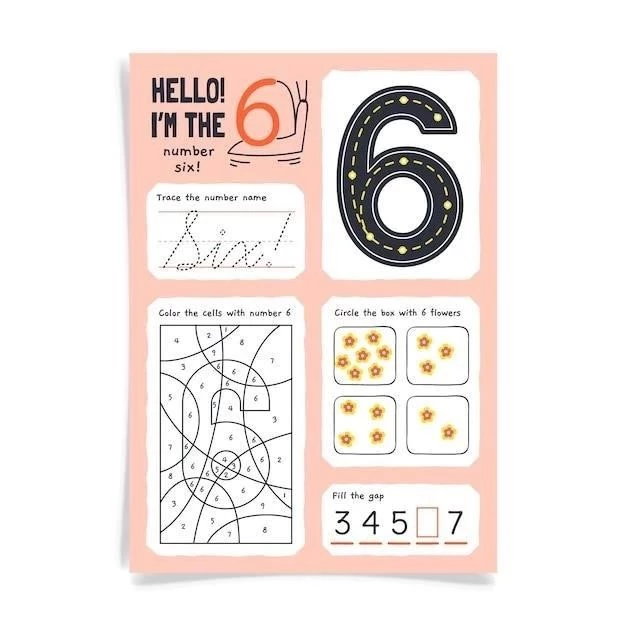
The “Number Six Draw” – a phrase often whispered in lottery circles‚ or associated with specific‚ seemingly random events – carries a peculiar weight. It’s not a universally defined phenomenon‚ but rather a concept that arises when the number six appears with unusual frequency or significance. This article delves into the perceived importance of this number‚ exploring its cultural roots‚ statistical occurrences‚ and the psychological reasons behind its fascination.
Cultural and Historical Significance of Six
The number six holds a prominent place in various cultures and belief systems. In Christianity‚ six is often associated with imperfection‚ falling short of the divine seven. The biblical story of creation sees God creating the world in six days‚ resting on the seventh. In numerology‚ six represents harmony‚ balance‚ and responsibility. It’s linked to love‚ nurturing‚ and domesticity. Ancient Babylonians used a base-60 number system‚ influencing our modern timekeeping (60 seconds in a minute‚ 60 minutes in an hour).
Statistical Anomalies and the Lottery
When people refer to a “Number Six Draw‚” they often mean a lottery draw where the number six is drawn frequently – either as a main number or a bonus ball. Statistically‚ all numbers in a lottery have an equal chance of being drawn. However‚ the human brain is wired to seek patterns‚ even where none exist. A series of draws featuring the number six can feel significant‚ leading to beliefs about its “luckiness” or a perceived bias in the draw.
Important Note: Lottery draws are fundamentally random. Past results do not influence future outcomes. The “hotness” or “coldness” of a number is a fallacy known as the gambler’s fallacy.
Psychological Factors: Apophenia and Confirmation Bias
The perception of a “Number Six Draw” is heavily influenced by psychological phenomena. Apophenia is the tendency to perceive meaningful connections between unrelated things. If someone is focused on the number six‚ they are more likely to notice its occurrences‚ even if they are statistically normal. Confirmation bias reinforces this – people tend to seek out and interpret information that confirms their existing beliefs. If someone believes six is lucky‚ they’ll remember instances where it appeared favorably and dismiss instances where it didn’t.
Beyond the Lottery: Six in Everyday Life
The “Number Six Draw” concept extends beyond lotteries. People might notice the number six appearing repeatedly in their daily lives – on license plates‚ addresses‚ clock times‚ or in other seemingly random places. This can be attributed to the same psychological factors mentioned above. It’s a testament to our innate desire to find meaning and order in the chaos of the universe.
The “Number Six Draw” is a fascinating example of how cultural significance‚ statistical randomness‚ and psychological biases intertwine. While the number six may hold personal meaning for some‚ it’s crucial to remember that its appearance in draws or everyday life is likely due to chance and our own cognitive tendencies. Enjoy the mystery‚ but don’t rely on it for fortune!